
Meet Joan
The heart behind Joan’s Care.
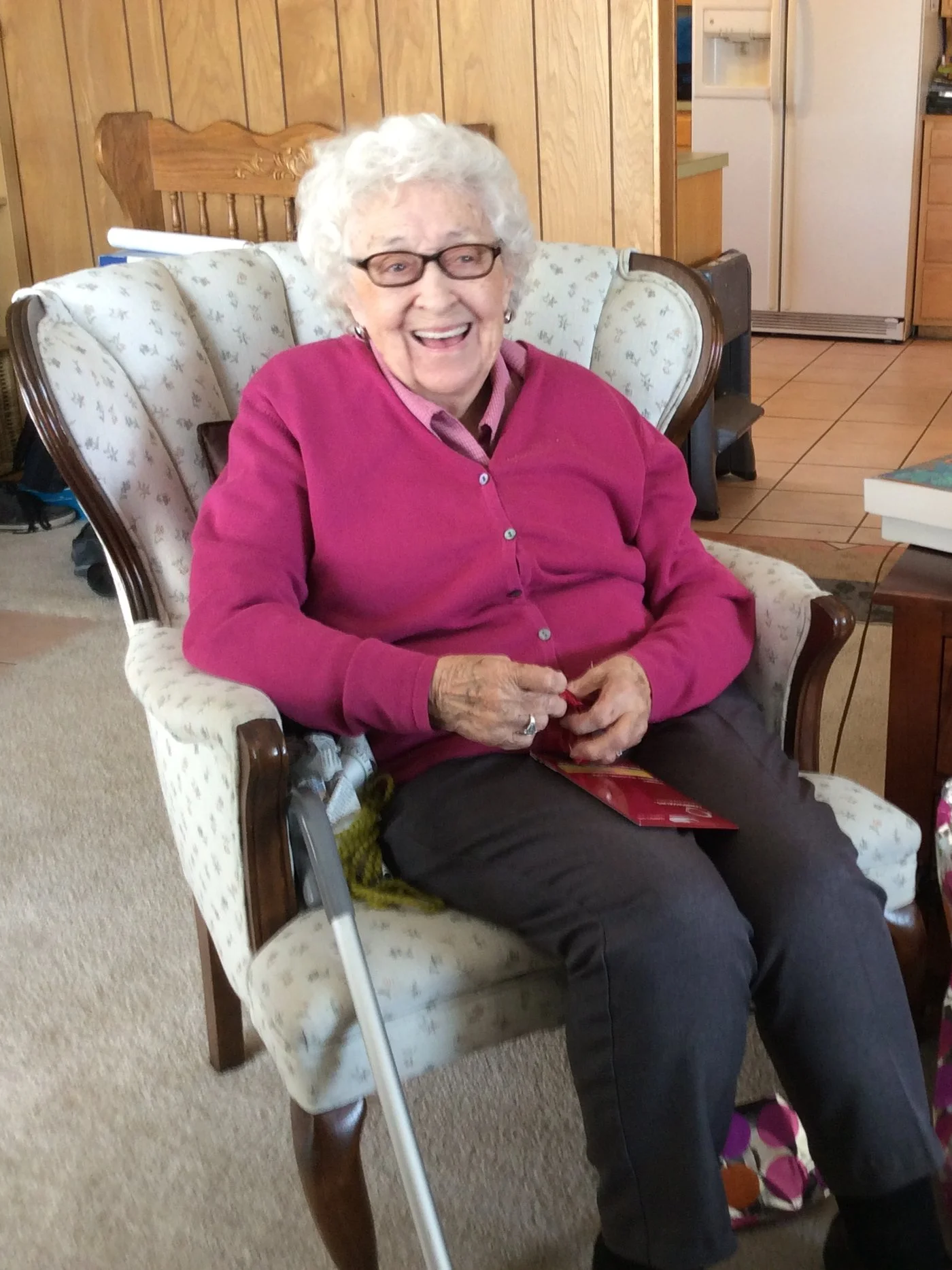
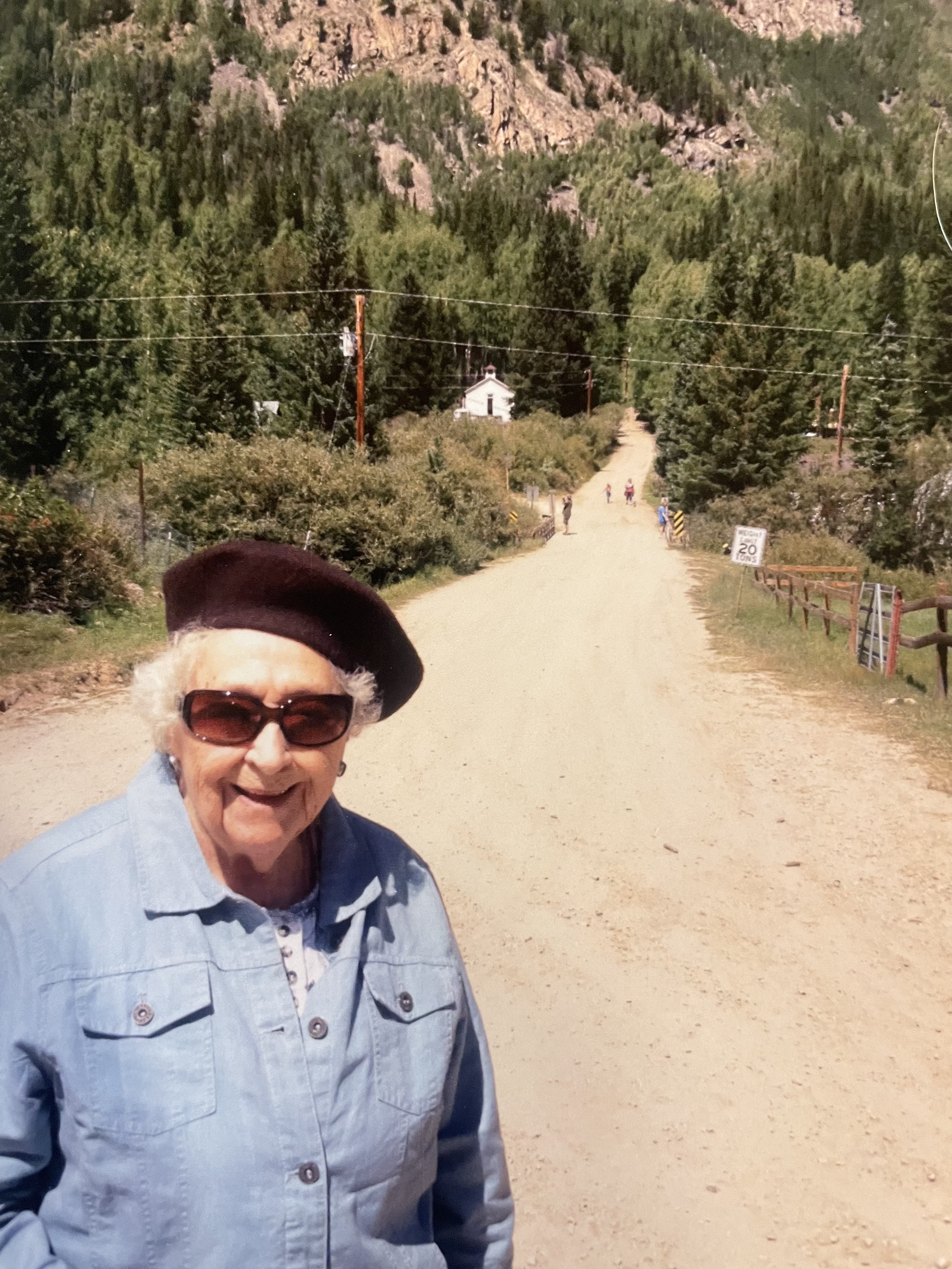
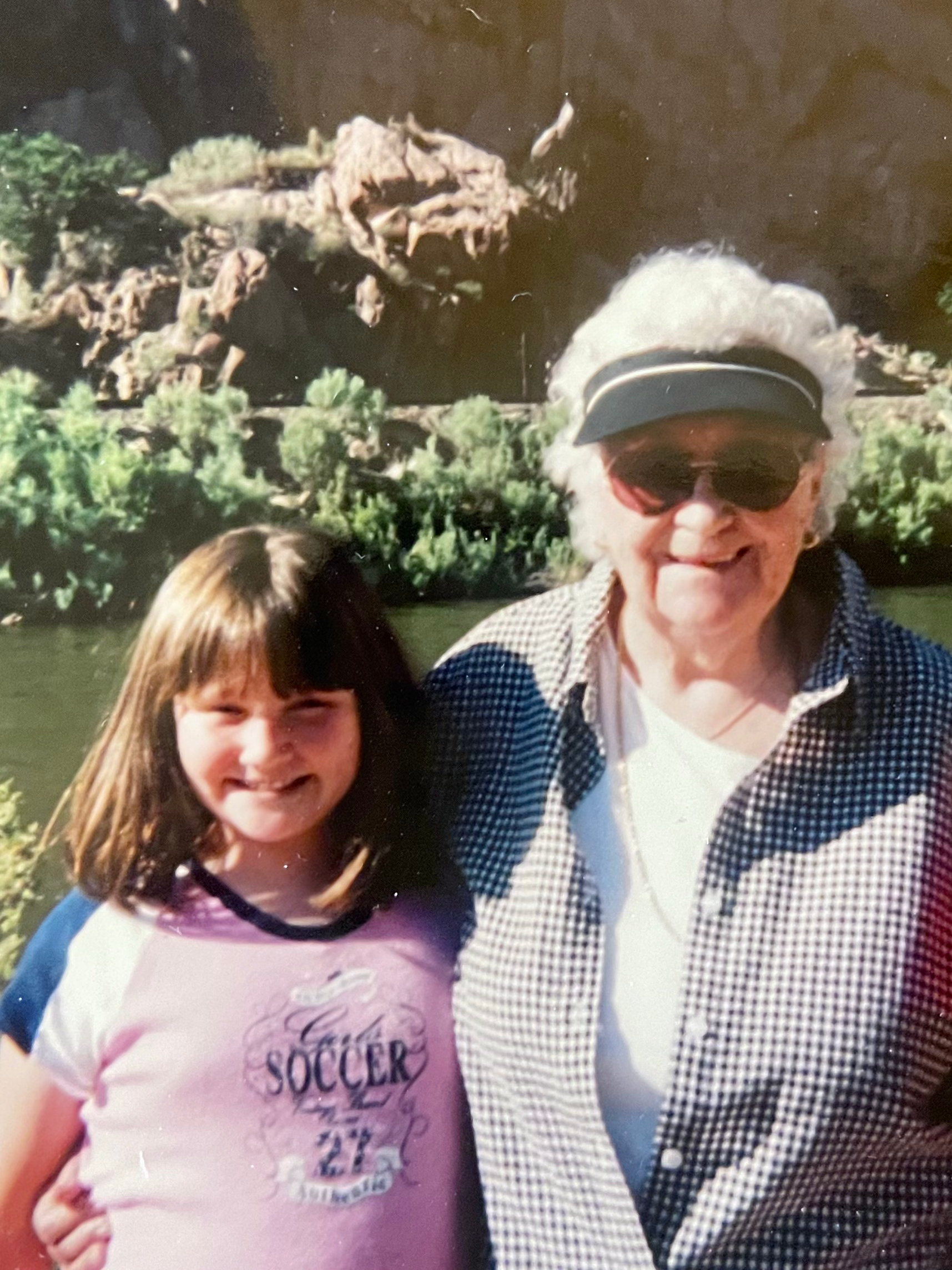
Joan was not the kind of person you forgot. She was the kind of person who grabbed your hand and pulled you onto the dance floor in her nineties, whenever big band music came on, before you had a chance to say no. We were glad she did.
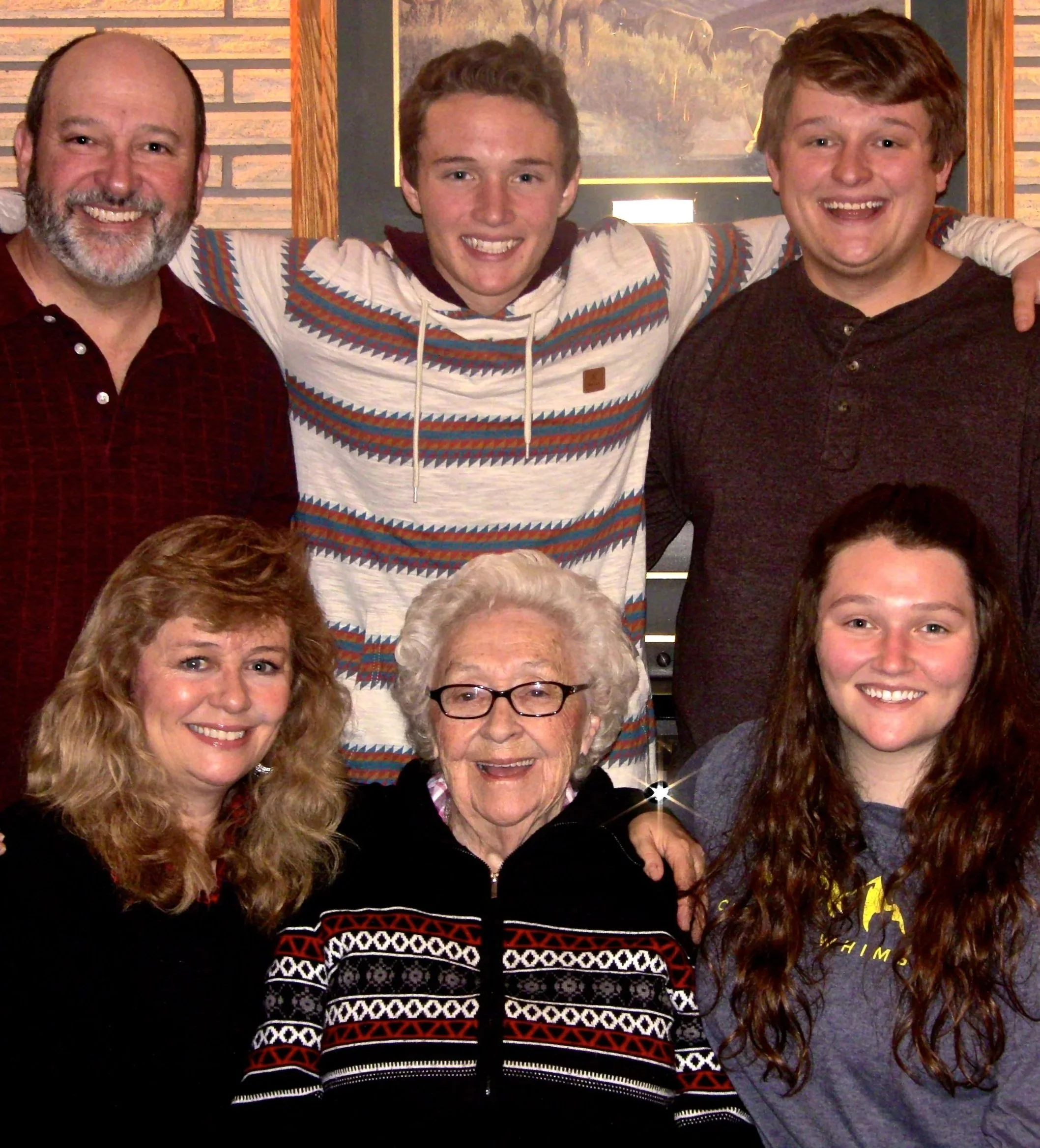
She spent the last five years of her life living with our family, and to three teenagers, she was the best roommate we ever had. She filled the house with humor and stories and a steadiness that made everything feel more grounded. She was genuinely, specifically interested in us, and we grew up knowing that we were important to her.
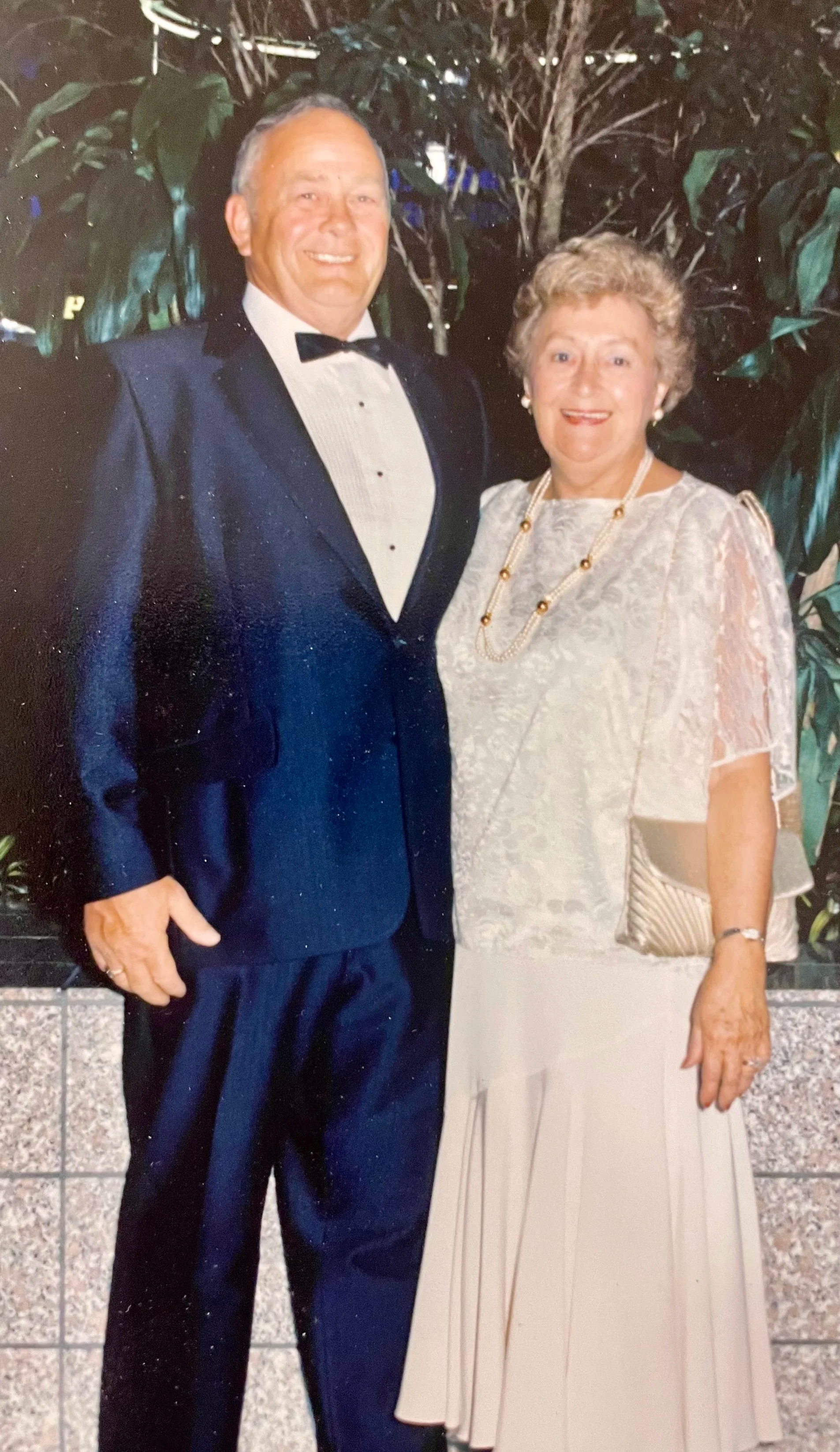
Joan had always lived that way. She swam, water-skied, did archery, and wanted to learn to fly because she loved to travel and couldn't see a reason not to go further. During World War II, while the men were overseas, she supervised a manufacturing line producing scopes for heavy artillery — precise, essential work, done with the kind of quiet competence that didn't need an audience.
Well into her nineties, she was still lifting weights at her local gym where she was recognized in the newspaper as the oldest member, and she was so proud of it. She drove her PT Cruiser around town, which she called her sports car without a trace of irony. She was impeccably dressed, almost always in one of her signature hats. She would beat you at Rummy and then give you the clothes off her back. She learned the mandolin and read nearly a book a day in her later years. She was, in every sense, a person who had not stopped becoming.
But it was her character, more than any of it, that stayed with us. Joan believed that trust, once given, is sacred. She believed that telling stories about people is a way of loving them. She was generous with her time, her encouragement, and her last penny, not as a performance of generosity but because that was simply who she was.
As she got older, we watched something we didn't have a name for at the time: we saw how much it mattered that she stayed herself. That she kept her routines, her independence, her sense of being someone with a life of her own choosing. We also saw what it cost the people who became her caretakers (our mother and aunt); devotion can be exhausting. In retrospect, we now see how much a little more help would have meant.
This business exists because of Joan.
Not as a tribute, exactly. More as a continuation. She showed us what it looks like when a person is supported well — they stay who they are. That's what we're here to do.
WHAT JOAN UNDERSTOOD
Independence isn't something you lose. It's something you protect.
Joan never would have described herself as someone who needed help. She would have described herself as someone who had good people around her. That distinction matters more than it sounds.
The seniors we serve are not fragile. They are not defined by what they can no longer do. They are people who have been doing things for sixty, seventy, eighty years — people with histories, preferences, opinions, and a fierce sense of who they are. What they sometimes need is the kind of steady, capable support in the background that lets them stay in the foreground of their own lives.
That's what we mean when we say companion care is infrastructure for independence. Not a concession. Not a step toward the nursing home. A choice to keep living well, with someone trustworthy in your corner.
Meet Jamie
The woman who built this (and why).
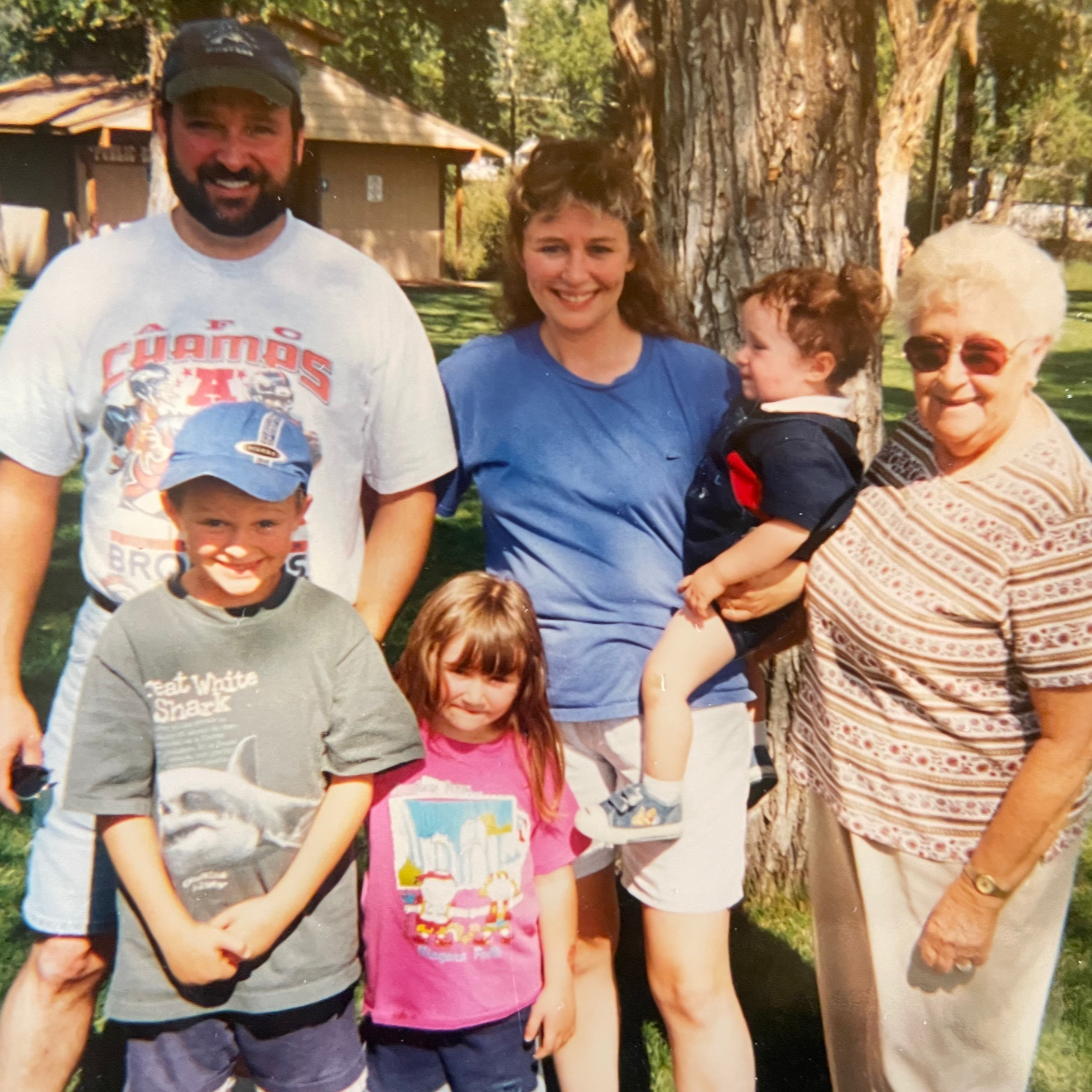
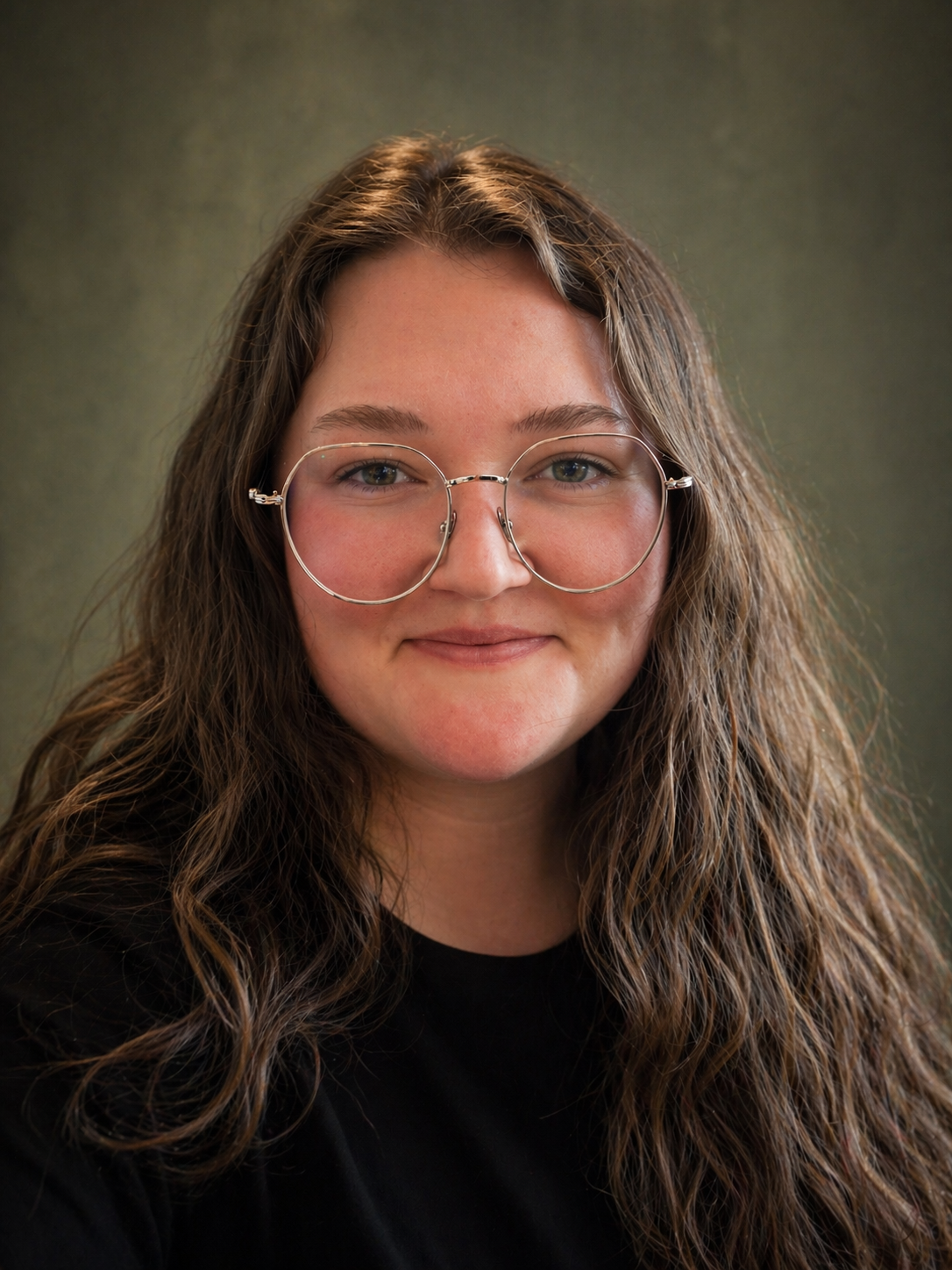
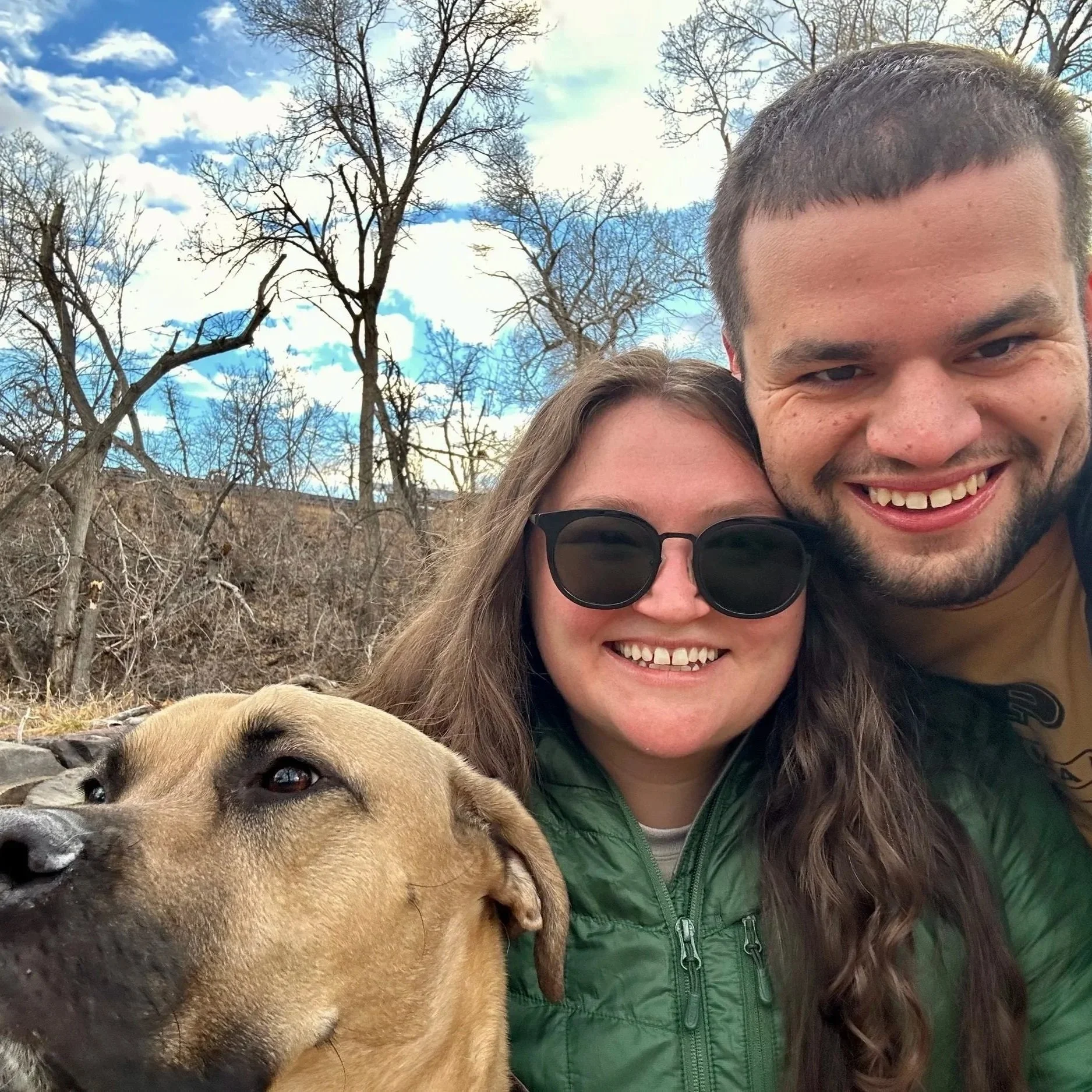
Jamie grew up in the Collegiate Peaks, in the kind of place where you learn early that the land around you is worth paying attention to. That hasn't changed. She still hikes the trails, fly fishes quiet stretches of rivers, four-wheels the backcountry roads, and plays volleyball and pickleball with the same people she's known for years. She married a good man, has a dog (who she treats as a biological child), drinks too much coffee, travels whenever she can, and reads constantly. She is, in other words, someone who is very much at home in Colorado and in a life she has built deliberately.
Her education reflects two things she's always been: a people person and a systems thinker. She studied Communication at Colorado Christian University, with minors in Biblical Studies and Psychology. She went on to earn an MBA from Auburn University with a focus in Business Analytics. That combination — relational instinct, ethical grounding, and a fluency with data — turns out to be exactly what it takes to build a care organization that actually works. Warmth isn't enough on its own. Neither is a spreadsheet. Jamie has both.
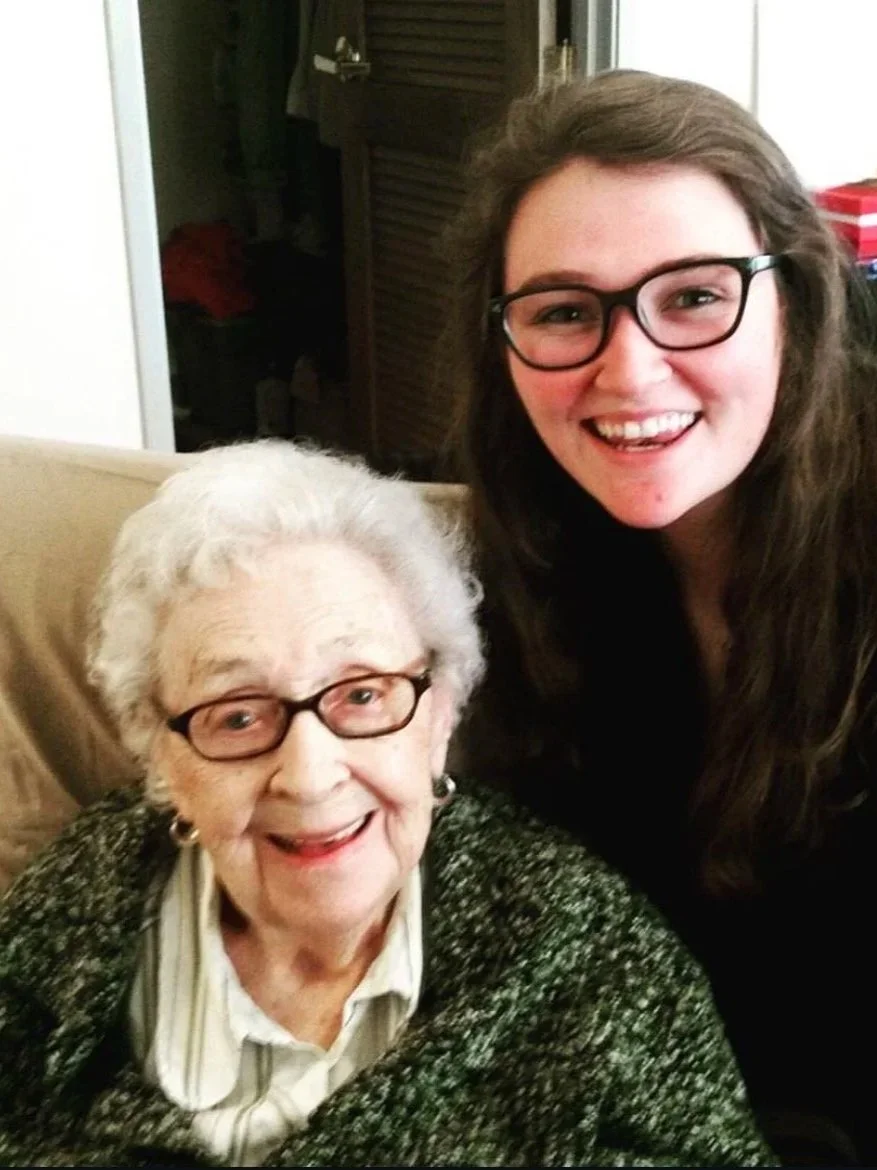
Her path to this work wasn't a pivot; it was a long, slow recognition of what she values and how she was created. She lived with Grandma Joan during Joan's later years, helped care for her, and watched her navigate the particular challenge of needing support without losing herself in the process. She saw what good days looked like and what hard ones cost. She also saw what it asked of the family members who showed up every day and how much the right additional support could have changed the equation for all of them.
That experience didn't give her a business idea. It gave her a conviction: that the way we care for older adults matters enormously, that most people deserve far better than they get, and that someone needs to build something worth trusting. Joan's Care is that something.
For Jamie, this isn't a second career or a passion project in the soft sense. It's the thing she is most qualified by training, by temperament, and by experience to do. She shows up to it the same way Joan showed up to everything: fully and passionately.
Our Values
We believe your loved one is a person, not a care recipient. We believe that calling for help is not giving up; it is loving someone well enough to make sure they get what they actually need. We believe companion care done right looks like a friendship that also happens to be reliable. We believe families shouldn't have to choose between being a “good child” and having a life. We believe the best thing we can do, most days, is simply show up.
We are not a franchise. There is no corporate script we follow, no distant call center managing your family's care. When you work with Joan's Care, you are working with people who chose this work, know your family by name, and understand that your parent's dignity is not negotiable.
What we actually believe.
How we make it happen.
Dignity First
We honor the inherent worth of every person by treating clients with respect, patience, compassion, and joyfulness in every interaction.
Compassion in Action
We serve with genuine empathy, meeting physical needs while nurturing emotional and relational well-being.
Integrity & Trust
We operate with honesty, reliability, and transparency so families feel confident and at peace in our care.
Excellence & Professionalism
We pursue high standards in communication, safety, and service, continuously improving to provide exceptional care.
Personalized Care
We celebrate that every client is unique and tailor support to their needs, preferences, and personal story.
Make the call.
If you've been wondering whether calling is the right thing to do (whether it means you feel like you've given up, or that you're overreacting, or that it's too soon, or that you should be able to handle this yourself) we want to say something clearly:
Calling is not giving up.
It is the opposite. It is the decision to get serious about someone you love. And the families who make that decision rarely regret it. The ones who wait often do.
You are doing something hard. Let us help make it a little easier.
By submitting this form, you agree to our Privacy Policy and consent to being contacted regarding your inquiry.